
Toilet, lavatory, restroom - the most important bowl in every bathroom
Miska ustępowa składa się z kilku głównych komponentów. Na poniższym rysunku wyróżniono te elementy, natomiast poniżej krótko je opisano:
- Miska: To główna część urządzenia, na której użytkownik siedzi lub stoi podczas korzystania z toalety. Miska ma otwór zwany lejkiem, przez który odpadki spływają do kanalizacji.
- Zbiornik spłukiwania: Większość misek ustępowych jest wyposażona w zbiornik na wodę, który służy do spłukiwania i usuwania zawartości miski do kanalizacji.
- Mechanizm spłukiwania: To układ zaworów i mechanizmów kontrolujących przepływ wody ze zbiornika do miski podczas spłukiwania.
- Siedzenie i pokrywa: Siedzenie umożliwia użytkownikowi komfortowe korzystanie z toalety, a pokrywa może pełnić funkcję osłony oraz elementu estetycznego.
- Rura kanalizacyjna: Odprowadza zawartość miski do systemu kanalizacji, gdzie zostaje dalej przetworzona.

Istnieje kilka rodzajów misek ustępowych dostępnych na rynku, różniących się stylem, funkcjami i konstrukcją. Oto niektóre z popularnych rodzajów misek ustępowych:
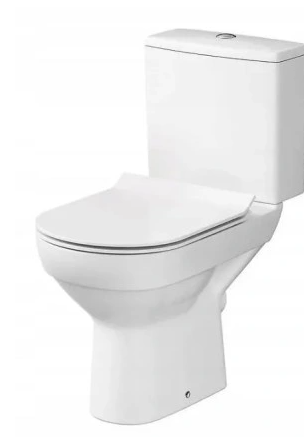
- Miska ustępowa stojąca: To tradycyjny model z siedziskiem i pokrywą. Jest szeroko stosowany w domach i miejscach publicznych.
- Miska ustępowa wisząca: Montowana na ścianie, umożliwia łatwe czyszczenie podłogi i nadaje się szczególnie do łazienek o nowoczesnym designie. Sedesy te montuje się do metalowej konstrukcji nazywanej stelażem instalacyjnym. Do ramy stelaża jest przymocowany zbiornik spłukujący, ramę przytwierdza się do ściany lub ściany i podłogi, a na koniec zabudowuje tak jak pozostałe ściany w łazience. Widoczne zostają tylko przyciski spłuczki. Można też kupić stelaż z gotową obudową ze szklanych płyt w kolorach mlecznym, miętowym, czekoladowym lub czarnym.

- Miska ustępowa bez kołnierza: Miska WC bez kołnierza to rodzaj miski ustępowej, który ma innowacyjną konstrukcję pozbawioną tradycyjnego kołnierza, czyli obszaru zwykle znajdującego się wewnątrz miski, gdzie zbierają się osady i brud, trudne do czyszczenia. Miski WC bez kołnierza są zaprojektowane w taki sposób, aby ułatwiać utrzymanie czystości i higieny oraz minimalizować ryzyko gromadzenia się bakterii i zanieczyszczeń.

- Miska ustępowa z funkcją bidetu: Miska wyposażona w dyszę wodną do mycia po użyciu, zapewniając komfort i higienę. Funkcję miski ustępowej można poszerzyć, dokupując do niej zamiast zwykłej deski sedesowej tak zwaną deskę myjącą z podstawowym lub rozbudowanym programem myjącym. W wersji minimum mamy możliwość skorzystania z mycia za pomocą strumienia wody (wypływa z dyszy wysuwającej się z deski) o regulowanym ciśnieniu i temperaturze ciała. W droższych wersjach temperatura wody oraz intensywność strumienia mogą być regulowane, jest też opcja masażu, suszenia delikatnym strumieniem ciepłego powietrza i usuwania zapachów.

- Miska ustępowa automatycznie spłukująca: Posiada czujniki ruchu lub dotyku, co umożliwia automatyczne spłukiwanie po opuszczeniu miski. To rozwiązanie stosowanie głównie w łazienkach obiektów publicznych.
- Miska ustępowa oszczędzająca wodę: Wyposażona w system dual flush, umożliwiający wybór ilości wody podczas spłukiwania.
- Miska ustępowa dla osób niepełnosprawnych: O większych wymiarach i ułatwionym dostępie, przeznaczona dla osób z ograniczeniami ruchowymi.
- Miska ustępowa z technologią samoczyszczącą: Wykorzystuje technologie, takie jak powłoka antybakteryjna lub działanie ultradźwięków, aby utrzymać miskę w czystości.
- Miska ustępowa ekologiczna: Oferuje innowacyjne rozwiązania mające na celu minimalizację zużycia wody i oszczędność energii.
Ważna cechą dla naszej miski ustępowej może być kolor miski ustępowej. Tu gama jest mocno ograniczona. Najpopularniejszym jest oczywiście kolor biały, ale spotkać możemy również sedesy w kolorze czarnym, czy nawet złotym. Pod względem dopasowania koloru najbezpieczniej jest kupować sprzęty z tej samej serii lub przynajmniej jednego producenta, ponieważ odcienie bieli (lub innych kolorów) też mogą się od siebie różnić. . Wielu producentów proponuje bowiem miski WC oraz całe zestawy ceramiki (WC, umywalka, bidet) także w innych niż biały kolorach: różowe, zielone, błękitne, czerwone, w odcieniach brązu, beżu czy szarości, a nawet czarne. To pozwala uzyskać atrakcyjny efekt aranżacyjny.
Umiejscowienie miski ustępowej w łazience ma duże znaczenie dla funkcjonalności, wygody i estetyki tego pomieszczenia. ZWażne jest, aby zapewnić użytkownikom wygodę, prywatność i higienę oraz utrzymać harmonię wizualną w całej przestrzeni łazienki. Oto kilka wskazówek, gdzie najlepiej umieścić miskę ustępową:
Wysokość montażu: Standardowo miska ustępowa jest montowana na wysokości około 40-45 cm od podłogi do górnej krawędzi miski. Jest to odpowiednia wysokość dla większości użytkowników.
Dostępność i prywatność: Umieść miskę ustępową w miejscu, które jest łatwo dostępne, ale jednocześnie zachowuje odpowiednią prywatność. Unikaj umieszczania jej w bezpośrednim widoku z wejścia do łazienki.
Odległość od innych elementów: Upewnij się, że miska ustępowa jest odpowiednio oddalona od innych elementów łazienki, takich jak umywalka, prysznic czy wanna. To pomoże w zachowaniu komfortu i swobody poruszania się w przestrzeni. Oto ogólne wytyczne dotyczące odległości od innych elementów:
-
Umywalka: Miskę ustępową warto umieścić w odległości co najmniej 30-40 cm od umywalki. To zapewni swobodny dostęp do umywalki bez zakłócania wygodnego korzystania z miski.
-
Prysznic lub wanna: Jeśli w łazience znajduje się prysznic lub wanna, unikaj umieszczania miski ustępowej zbyt blisko tych elementów. Wskazane jest zachowanie odległości co najmniej 60-70 cm, aby umożliwić swobodny dostęp i korzystanie z każdego z urządzeń.
-
Ściany i inne meble: Miska ustępowa powinna być umieszczona w pewnej odległości od ścian i innych mebli, aby umożliwić wygodne siedzenie i korzystanie. Warto pozostawić co najmniej 15-20 cm odległości od przylegających ścian.
-
Drzwi: Jeśli miska ustępowa znajduje się w bliskiej odległości od drzwi, upewnij się, że drzwi mogą być otwierane i zamykane swobodnie, nie ograniczając dostępu do toalety.
Wentylacja: Warto umieścić miskę ustępową w miejscu, które ma dostęp do dobrego systemu wentylacji, aby zapewnić usuwanie nieprzyjemnych zapachów i wilgoci.
Zabezpieczenie przed wilgocią: Unikaj umieszczania miski ustępowej w miejscach, gdzie jest narażona na nadmierną wilgoć, na przykład w bezpośrednim sąsiedztwie prysznica. Wilgoć może wpływać negatywnie na trwałość i higienę.
Przestrzeń dla użytkownika: Zapewnij odpowiednią przestrzeń wokół miski ustępowej, aby użytkownik miał wygodę podczas korzystania z toalety.
Przemyśl plan łazienki: Jeśli projektujesz nową łazienkę lub przeprowadzasz remont, warto zwrócić uwagę na układ i ergonomiczność całej przestrzeni, aby miska ustępowa była umiejscowiona w optymalnym miejscu.
Podsumowując, wybór odpowiedniej miski ustępowej to kluczowy element projektowania łazienki, który wpływa na funkcjonalność, komfort oraz estetykę tego pomieszczenia. Dzisiejszy rynek oferuje wiele różnych rodzajów i modeli misek ustępowych, dostosowanych do różnych preferencji i potrzeb użytkowników. Warto brać pod uwagę zarówno aspekty praktyczne, jak i wizualne.
+48 508 873 714
biuro@krasnalbud.pl